Method Toolbox
Just another WordPress site
Danube-Networkers Toolbox
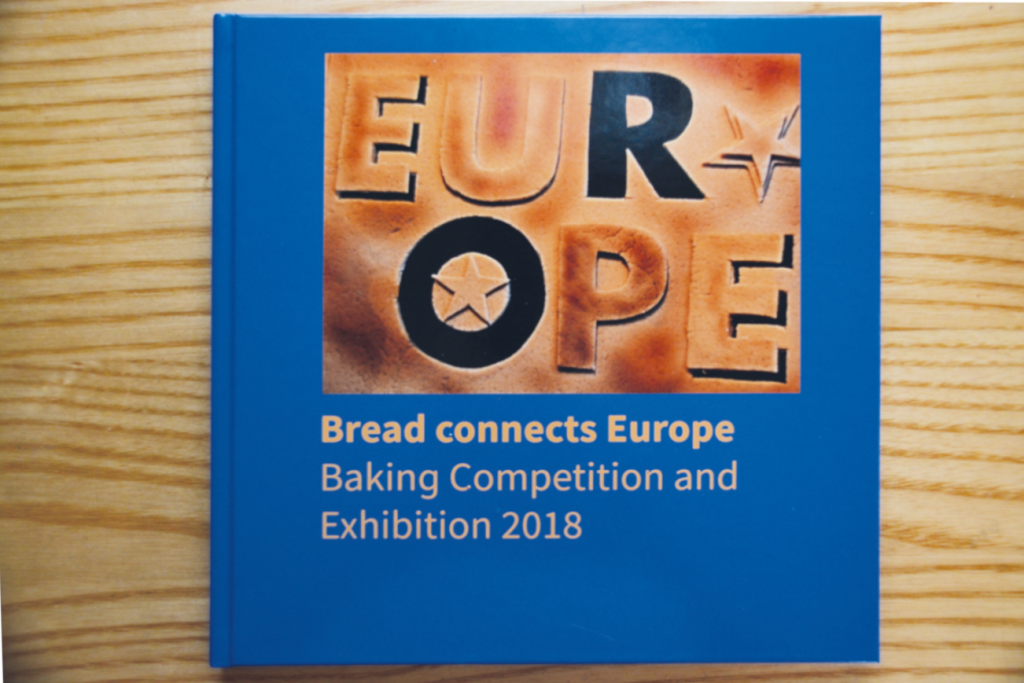
The projects “projects “Tastes of Danube. Bread.Wine.Herbs” and Tastes of Danube.Bread connects” had been realized by a lot of organization from West. Middle and South-West Europe. Central aim of both projects is to foster awareness for our common cultural roots in Europe using the example of bread.
For centuries, bread has been a symbol of community, sharing and responsibility for others in almost every culture and religion in Europe. Bread has many facets, but as intangible cultural heritage, it connects us all. Everybody is related to this topic not only on an intellectual, but also on an emotional level.
Bread was an ideal starting point for to show what the motto “United in diversity” means in everyday life In these both projects citizens of all ages, ethnicities, social and educational milieus had been invited to experience bread as common intangible cultural heritage, which can be found on local, national and transnational level with the intention to foster European awareness.
The project had three target groups:
(1) Organizations, educators and multipliers in general adult education, esp. education of the third age; (2) active learner who are interested to cooperate continuously in regional working groups with senior students from other countries and (3) learners from different backgrounds, ethnicities, ages, taking part on local and international events, competitions, campaigns.
By using innovative activating pedagogical methods and the project’s outcomes we were able to build bridges between organizations, educators and multipliers in adult education and between learners from different backgrounds, ethnicities and ages on national and transnational level.
Good practice methods are visible on the website and show what is possible, even if there is no common language. The bridge language is English but studying the single projects and methods there will be coverage of all the project activities in the partner in the form of short reports in English and the related national language.
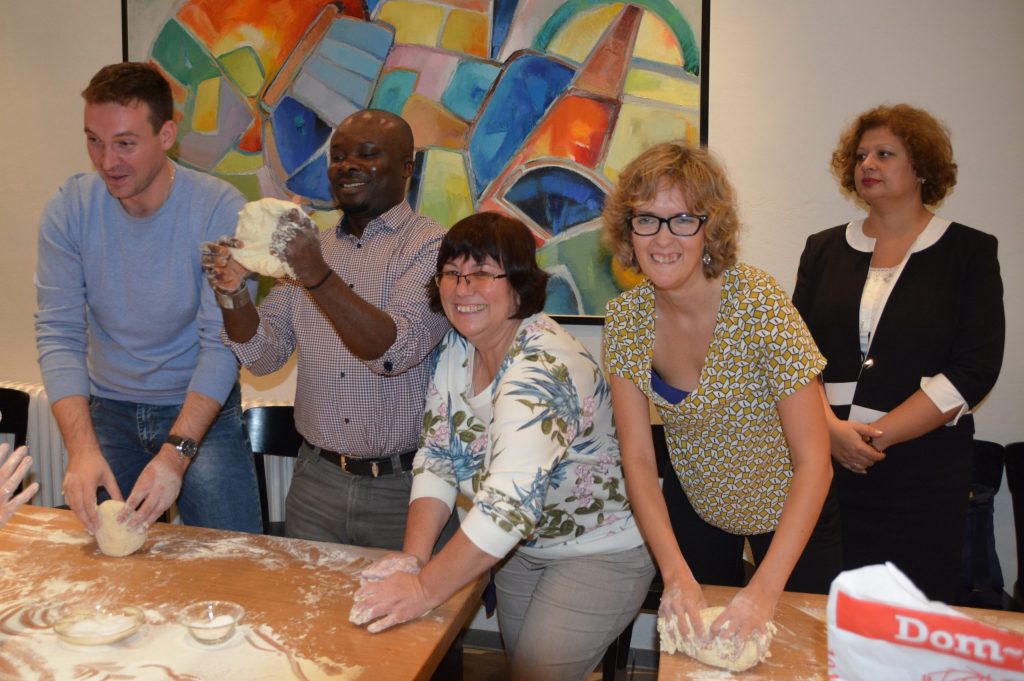
The described methods had been developed and tested with local working groups, outcomes had been analyzed and transferred. Outreaching methods had been applied for those who are distant to learning. The method “Baking as a community building process” realized in open access spaces in communities brought together people of different life conditions: old and young, learners from different ethnicities and educational backgrounds, including people with special needs. Everybody brought in personal competences and shared it with others. Scientific-based “discovery learning” methods reached senior students who are interested in research, documentation and comparison of cultural and religious traditions on local and regional level .Special interest had been given during the whole project on the use of new media for communication and documentation of the process and the outcomes of the shared work. Educators had been trained to work with target group-orientated pedagogical approaches for different groups and aims
This website will help to promote the dissemination of the projects aims, methods and results and to initiate the transfer to other associations, on regional, national and transnational level. Based on good experiences the project will foster social cohesion and European awareness and feeling of togetherness.
About
This Method-Toolbox collects methods from international Projects from the Danube Region.
Methods
On this page, you will find descriptions for proven and tested pedagogical methods that can be applied in various contexts. The partners of the international projects “Tastes of Danube. Bread.Wine.Herbs” and Tastes of Danube.Bread connects” have applied these methods with the aim of fostering and supporting cooperation between people living in the Danube Region and in the whole of Europe. There are instructions on implementing these methods step by step. You will further find addresses about a variety of institutions who worked as our partners with these methods
Knowledge
On this page, you will find lectures and other texts that will provide theoretical background concerning cultural heritage, activating methods, geragogical findings and education and digitalization
Materials
On this page you will find a lot of materials related to the described methods. They had been developed and tested with local working groups, outcomes had been analyzed and transferred. There are materials demonstrating outreaching methods and help to transfer them and to apply them in other local areas to bring together people of different life conditions: old and young, learners from different ethnicities and educational backgrounds, including people with special needs